当前位置:网站首页>Sword finger offer punch stack queue heap
Sword finger offer punch stack queue heap
2022-07-18 05:57:00 【51CTO】
1、 Queues are implemented with two stacks
       public

       class

       Solution {


       public

       static

       void

       main(

       String[]

       args) {


    }


       //in


       Stack

       <

       Integer

       >

       stack1

       =

       new

       Stack

       <

       Integer

       >();


       //out


       Stack

       <

       Integer

       >

       stack2

       =

       new

       Stack

       <

       Integer

       >();


       public

       void

       push(

       int

       node) {


       stack1.

       push(

       node);


    }


       public

       int

       pop()

       throws

       Exception {


       if (

       stack2.

       isEmpty())


       while (

       !

       stack1.

       isEmpty())


       stack2.

       push(

       stack1.

       pop());


       if (

       stack2.

       isEmpty())


       throw

       new

       Exception(

       "queue is empty");


       return

       stack2.

       pop();


    }


}


       class

       CQueue {


       // Power button


       /**


       *  Use two stacks to implement a queue . The declaration of the queue is as follows , Please implement its two functions  appendTail  and  deleteHead ,


       *  The functions of inserting integers at the end of the queue and deleting integers at the head of the queue are respectively completed .( If there are no elements in the queue ,deleteHead  Operation return  -1 )


       *


       *  source : Power button (LeetCode)


       *  link :https://leetcode-cn.com/problems/yong-liang-ge-zhan-shi-xian-dui-lie-lcof


       */


       Deque

       <

       Integer

       >

       stack3;


       Deque

       <

       Integer

       >

       stack4;


       public

       CQueue() {


       stack3

       =

       new

       LinkedList

       <

       Integer

       >();


       stack4

       =

       new

       LinkedList

       <

       Integer

       >();


    }


       public

       void

       appendTail(

       int

       value) {


       stack3.

       push(

       value);


    }


       public

       int

       deleteHead() {


       //  If the second stack is empty


       if (

       stack4.

       isEmpty()) {


       while (

       !

       stack3.

       isEmpty()) {


       stack4.

       push(

       stack3.

       pop());


            }


        }


       if (

       stack4.

       isEmpty()) {


       return

       -

       1;


        }

       else {


       int

       deleteItem

       =

       stack4.

       pop();


       return

       deleteItem;


        }


    }


}
- 1.
- 2.
- 3.
- 4.
- 5.
- 6.
- 7.
- 8.
- 9.
- 10.
- 11.
- 12.
- 13.
- 14.
- 15.
- 16.
- 17.
- 18.
- 19.
- 20.
- 21.
- 22.
- 23.
- 24.
- 25.
- 26.
- 27.
- 28.
- 29.
- 30.
- 31.
- 32.
- 33.
- 34.
- 35.
- 36.
- 37.
- 38.
- 39.
- 40.
- 41.
- 42.
- 43.
- 44.
- 45.
- 46.
- 47.
- 48.
- 49.
- 50.
- 51.
- 52.
- 53.
- 54.
- 55.
- 56.
- 57.
- 58.
- 59.
2、 contain min Function of the stack
       /**


       * @author inke219223m


       * <p>


       *  Implement a system that includes  min()  Function of the stack , This method returns the smallest value in the current stack .


       * <p>


       * <p>


       * <p>


       * Stack.peek()


       * peek() Function returns the element at the top of the stack , But do not pop up the top element of the stack .


       * Stack.pop()


       * pop() Function returns the element at the top of the stack , And push the top element of the stack out of the stack .


       */


       public

       class

       Solution {


       public

       static

       void

       main(

       String[]

       args) {


    }


       private

       Stack

       <

       Integer

       >

       dataStack

       =

       new

       Stack

       <>();


       private

       Stack

       <

       Integer

       >

       minStack

       =

       new

       Stack

       <>();


       public

       void

       push(

       int

       node) {


       dataStack.

       push(

       node);


       minStack.

       push(

       minStack.

       empty()

       ?

       node :

       Math.

       min(

       minStack.

       peek(),

       node));


    }


       public

       void

       pop() {


       dataStack.

       pop();


       minStack.

       pop();


    }


       public

       int

       top() {


       return

       dataStack.

       peek();


    }


       public

       int

       min() {


       return

       minStack.

       peek();


    }


}


       // Power button


       class

       MinStack {


       Stack

       <

       Integer

       >

       dataStack;


       Stack

       <

       Integer

       >

       minStack;


       /** initialize your data structure here. */


       public

       MinStack() {


       dataStack

       =

       new

       Stack

       <>();


       minStack

       =

       new

       Stack

       <>();


    }


       public

       void

       push(

       int

       x) {


       dataStack.

       push(

       x);


       minStack.

       push(

       minStack.

       empty()

       ?

       x :

       Math.

       min(

       minStack.

       peek(),

       x));


    }


       public

       void

       pop() {


       dataStack.

       pop();


       minStack.

       pop();


    }


       public

       int

       top() {


       return

       dataStack.

       peek();


    }


       public

       int

       min() {


       return

       minStack.

       peek();


    }


}


       /**


       * Your MinStack object will be instantiated and called as such:


       * MinStack obj = new MinStack();


       * obj.push(x);


       * obj.pop();


       * int param_3 = obj.top();


       * int param_4 = obj.min();


       */
- 1.
- 2.
- 3.
- 4.
- 5.
- 6.
- 7.
- 8.
- 9.
- 10.
- 11.
- 12.
- 13.
- 14.
- 15.
- 16.
- 17.
- 18.
- 19.
- 20.
- 21.
- 22.
- 23.
- 24.
- 25.
- 26.
- 27.
- 28.
- 29.
- 30.
- 31.
- 32.
- 33.
- 34.
- 35.
- 36.
- 37.
- 38.
- 39.
- 40.
- 41.
- 42.
- 43.
- 44.
- 45.
- 46.
- 47.
- 48.
- 49.
- 50.
- 51.
- 52.
- 53.
- 54.
- 55.
- 56.
- 57.
- 58.
- 59.
- 60.
- 61.
- 62.
- 63.
- 64.
- 65.
- 66.
- 67.
- 68.
- 69.
- 70.
- 71.
- 72.
- 73.
- 74.
- 75.
- 76.
- 77.
- 78.
3、 The push in pop-up sequence of the stack
       /**


       * @author inke219223m


       * <p>


       * Stack.peek()


       * peek() Function returns the element at the top of the stack , But do not pop up the top element of the stack .


       * Stack.pop()


       * pop() Function returns the element at the top of the stack , And push the top element of the stack out of the stack .


       */


       public

       class

       Solution {


       public

       static

       void

       main(

       String[]

       args) {


    }


       /**


       *  Use a stack to simulate push pop operations . One element at a time , We need to determine whether the top of the stack element is the current stack sequence


       * popSequence  The first element of , If so, the stack operation is executed and  popSequence  Move one back , Continue to judge .


       *


       * @param pushA


       * @param popA


       * @return


       */


       public

       boolean

       IsPopOrder(

       int[]

       pushA,

       int[]

       popA) {


       int

       n

       =

       pushA.

       length;


       Stack

       <

       Integer

       >

       stack

       =

       new

       Stack

       <>();


       for (

       int

       pushIndex

       =

       0,

       popIndex

       =

       0;

       pushIndex

       <

       n;

       pushIndex

       ++) {


       stack.

       push(

       pushA[

       pushIndex]);


       while (

       popIndex

       <

       n

       &&

       !

       stack.

       empty()

       &&

       stack.

       peek()

       ==

       popA[

       popIndex]) {


       stack.

       pop();


       popIndex

       ++;


            }


        }


       return

       stack.

       isEmpty();


    }


}
- 1.
- 2.
- 3.
- 4.
- 5.
- 6.
- 7.
- 8.
- 9.
- 10.
- 11.
- 12.
- 13.
- 14.
- 15.
- 16.
- 17.
- 18.
- 19.
- 20.
- 21.
- 22.
- 23.
- 24.
- 25.
- 26.
- 27.
- 28.
- 29.
- 30.
- 31.
- 32.
- 33.
- 34.
- 35.
4、 Median in data stream
       /**


       * @author inke219223m


       * <p>


       *  Median in data stream


       * <p>


       *  How to get the median in a data stream ? If you read an odd number of values from the data stream , So the median is the number in the middle after all the numbers are sorted .


       *  If even numbers are read from the data stream , Then the median is the average of the middle two numbers after all the numbers are sorted .


       *  We use Insert() Method to read the data stream , Use GetMedian() Method to get the median of the currently read data .


       *


       * Stack.peek()


       * peek() Function returns the element at the top of the stack , But do not pop up the top element of the stack .


       * Stack.pop()


       * pop() Function returns the element at the top of the stack , And push the top element of the stack out of the stack .


       */


       public

       class

       Solution {


       public

       static

       void

       main(

       String[]

       args) {


    }


       //  Big pile top , Store the left half of the element


       private

       PriorityQueue

       <

       Integer

       >

       left

       =

       new

       PriorityQueue

       <>((

       o1,

       o2)

       ->

       o2

       -

       o1);


       //  Small cap pile , Store the right half of the element


       //  And the right half is bigger than the left half


       private

       PriorityQueue

       <

       Integer

       >

       right

       =

       new

       PriorityQueue

       <>();


       //  The number of elements read into the current data stream


       private

       int

       N

       =

       0;


       public

       void

       Insert(

       Integer

       val) {


       //  Insert to make sure that the two are in equilibrium


       if (

       N

       %

       2

       ==

       0) {


       /* N  Insert into the right half if it's even .


       *  Because the right half is bigger than the left half , But the newly inserted element is not necessarily larger than the one from the left half ,


       *  So you need to insert the element in the left half first , Then use the left half for the characteristics of the large top reactor , Taking out the top element is the largest element , Now insert the right half


       */


       left.

       add(

       val);


       right.

       add(

       left.

       poll());


        }

       else {


       right.

       add(

       val);


       left.

       add(

       right.

       poll());


        }


       N

       ++;


    }


       public

       Double

       GetMedian() {


       if (

       N

       %

       2

       ==

       0)

       return (

       left.

       peek()

       +

       right.

       peek())

       /

       2.0;


       else

       return (

       double)

       right.

       peek();


    }


}
- 1.
- 2.
- 3.
- 4.
- 5.
- 6.
- 7.
- 8.
- 9.
- 10.
- 11.
- 12.
- 13.
- 14.
- 15.
- 16.
- 17.
- 18.
- 19.
- 20.
- 21.
- 22.
- 23.
- 24.
- 25.
- 26.
- 27.
- 28.
- 29.
- 30.
- 31.
- 32.
- 33.
- 34.
- 35.
- 36.
- 37.
- 38.
- 39.
- 40.
- 41.
- 42.
- 43.
- 44.
- 45.
- 46.
- 47.
- 48.
- 49.
5、 The smallest K Number
       /**


       *  The smallest K Number


       */


       public

       class

       Solution {


       public

       static

       void

       main(

       String[]

       args) {


       System.

       out.

       println(

       new

       Solution().

       GetLeastNumbers_Solution(

       new

       int[]{

       1,

       2,

       5,

       10,

       11,

       9},

       3));


    }


       public

       ArrayList

       <

       Integer

       >

       GetLeastNumbers_Solution(

       int[]

       input,

       int

       k) {


       if (

       k

       >

       input.

       length

       ||

       k

       ==

       0) {


       return

       new

       ArrayList

       <>();


        }


       // Use... When initializing  Lambda  expression  (o1, o2) -> o2 - o1  To achieve the big top


       PriorityQueue

       <

       Integer

       >

       priorityQueue

       =

       new

       PriorityQueue

       <>((

       o1,

       o2)

       ->

       o2

       -

       o1);


       for (

       int

       num :

       input) {


       priorityQueue.

       add(

       num);


       if (

       priorityQueue.

       size()

       >

       k) {


       priorityQueue.

       poll();


            }


        }


       return

       new

       ArrayList

       <>(

       priorityQueue);


    }


       public

       int[]

       getLeastNumbers(

       int[]

       arr,

       int

       k) {


       if (

       k

       >

       arr.

       length

       ||

       k

       ==

       0) {


       return

       new

       int[]{};


        }


       // Use... When initializing  Lambda  expression  (o1, o2) -> o2 - o1  To achieve the big top


       PriorityQueue

       <

       Integer

       >

       priorityQueue

       =

       new

       PriorityQueue

       <>((

       o1,

       o2)

       ->

       o2

       -

       o1);


       for (

       int

       num :

       arr) {


       priorityQueue.

       add(

       num);


       if (

       priorityQueue.

       size()

       >

       k) {


       priorityQueue.

       poll();


            }


        }


       return

       priorityQueue.

       stream().

       mapToInt(

       Integer::

       valueOf).

       toArray();


    }


}
- 1.
- 2.
- 3.
- 4.
- 5.
- 6.
- 7.
- 8.
- 9.
- 10.
- 11.
- 12.
- 13.
- 14.
- 15.
- 16.
- 17.
- 18.
- 19.
- 20.
- 21.
- 22.
- 23.
- 24.
- 25.
- 26.
- 27.
- 28.
- 29.
- 30.
- 31.
- 32.
- 33.
- 34.
- 35.
- 36.
- 37.
- 38.
- 39.
6、 Maximum sliding window
       public

       class

       Solution {


       public

       static

       void

       main(

       String[]

       args) {


       System.

       out.

       println(

       new

       Solution().

       maxInWindows(

       new

       int[]{

       1,

       2,

       5,

       9},

       3));


    }


       public

       ArrayList

       <

       Integer

       >

       maxInWindows(

       int []

       num,

       int

       size) {


       ArrayList

       <

       Integer

       >

       ret

       =

       new

       ArrayList

       <>();


       if(

       size

       >

       num.

       length

       ||

       size

       <

       1) {


       return

       new

       ArrayList

       <>();


        }


       //  Big pile top


       PriorityQueue

       <

       Integer

       >

       priorityQueue

       =

       new

       PriorityQueue

       <>((

       o1,

       o2)

       ->

       o2

       -

       o1);


       //  Maintain a size of  size  Big top pile of


       for (

       int

       i

       =

       0;

       i

       <

       size;

       i

       ++) {


       priorityQueue.

       add(

       num[

       i]);


        }


       ret.

       add(

       priorityQueue.

       peek());


       for (

       int

       i

       =

       0,

       j

       =

       i

       +

       size;

       j

       <

       num.

       length;

       i

       ++,

       j

       ++) {


       priorityQueue.

       remove(

       num[

       i]);


       priorityQueue.

       add(

       num[

       j]);


       ret.

       add(

       priorityQueue.

       peek());


        }


       return

       ret;


    }


}
- 1.
- 2.
- 3.
- 4.
- 5.
- 6.
- 7.
- 8.
- 9.
- 10.
- 11.
- 12.
- 13.
- 14.
- 15.
- 16.
- 17.
- 18.
- 19.
- 20.
- 21.
- 22.
- 23.
- 24.
- 25.
- 26.
- 27.
7、 The first character in a character stream that does not repeat
       public

       class

       Solution {


       public

       static

       void

       main(

       String[]

       args) {


       Solution

       solution

       =

       new

       Solution();


       String

       str

       =

       "aancbd";


       for(

       int

       i

       =

       0;

       i

       <

       str.

       length();

       i

       ++) {


       solution.

       Insert(

       str.

       charAt(

       i));


       System.

       out.

       print(

       solution.

       FirstAppearingOnce());


        }


    }


       private

       int[]

       cnts

       =

       new

       int[

       128];


       private

       Queue

       <

       Character

       >

       queue

       =

       new

       LinkedList

       <>();


       //Insert one char from stringstream


       public

       void

       Insert(

       char

       ch) {


       cnts[

       ch]

       ++;


       queue.

       add(

       ch);


       // Non empty && The number is larger than 1


       // Then remove it


       while (

       !

       queue.

       isEmpty()

       &&

       cnts[

       queue.

       peek()]

       >

       1) {


       queue.

       poll();


        }


    }


       //return the first appearence once char in current stringstream


       public

       char

       FirstAppearingOnce() {


       return

       queue.

       isEmpty()

       ?

       '#' :

       queue.

       peek();


    }


}
- 1.
- 2.
- 3.
- 4.
- 5.
- 6.
- 7.
- 8.
- 9.
- 10.
- 11.
- 12.
- 13.
- 14.
- 15.
- 16.
- 17.
- 18.
- 19.
- 20.
- 21.
- 22.
- 23.
- 24.
- 25.
- 26.
- 27.
- 28.
- 29.
- 30.
Code warehouse :https://gitee.com/codingce/codingce-leetcode
边栏推荐
- 让企业数字化砸锅和IT主管背锅的软件供应链安全风险指北
- Method of marking disk partition as active and method of canceling marking disk partition as active
- Interpolation method to calculate the value between two points
- The software supply chain security risk that makes enterprise digitalization and it executives bear the brunt of the cauldron points to the north
- QDU暑假训练 ---- 热身赛
- 论文精读: 深度强化学习与智慧交通(一)
- Dialogue Yinqi: what we insist on will not change, and broad vision will jump out of the "cyclical law" of enterprise scientific research
- 中国人力资源数字化生态图谱-灵活用工市场
- Live delivery system source code
- [dynamic planning] - state compression DP
猜你喜欢

CEO干货| CSDN演讲回顾:如何利用低代码提升研发和IT效能?

Dialogue Yinqi: what we insist on will not change, and broad vision will jump out of the "cyclical law" of enterprise scientific research
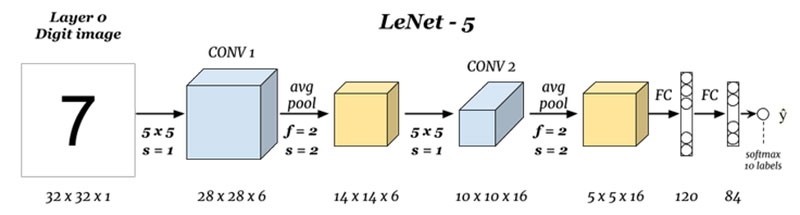
Foundation of deep learning: 9 Reproduce classic networks: lenet5 and alexnet
Apache apisik meetup Nanjing station! See you at 7.30!
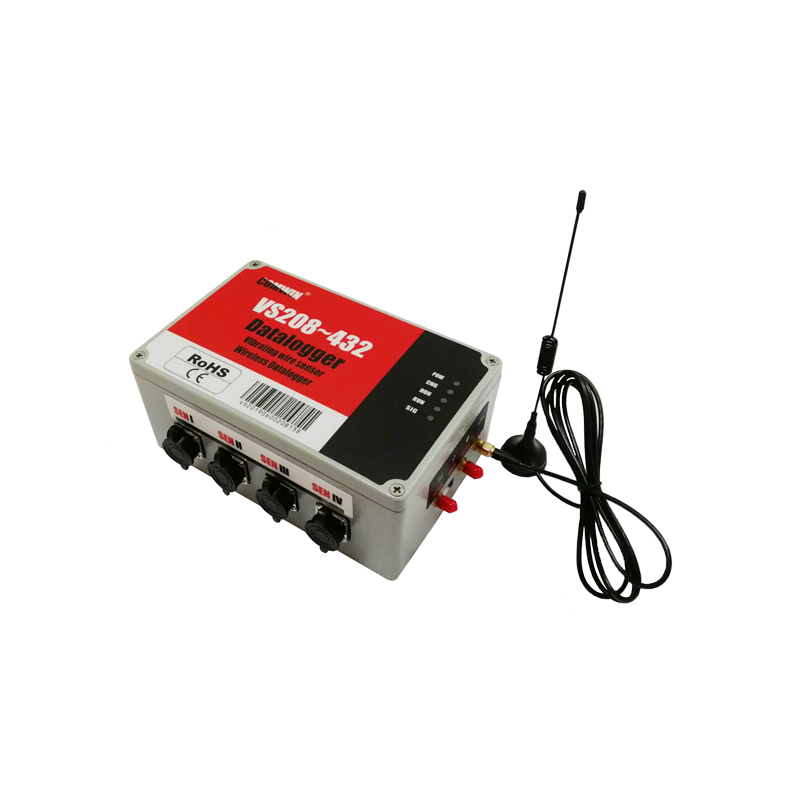
工程监测仪器多通道振弦无线采集仪的采集数据发送方式和在线监测管理系统

宝藏功能上新!日历视图+卡片视图强强联合,工作效率快到飞起

要想不踩SaaS那些坑,得先了解“SaaS架构”
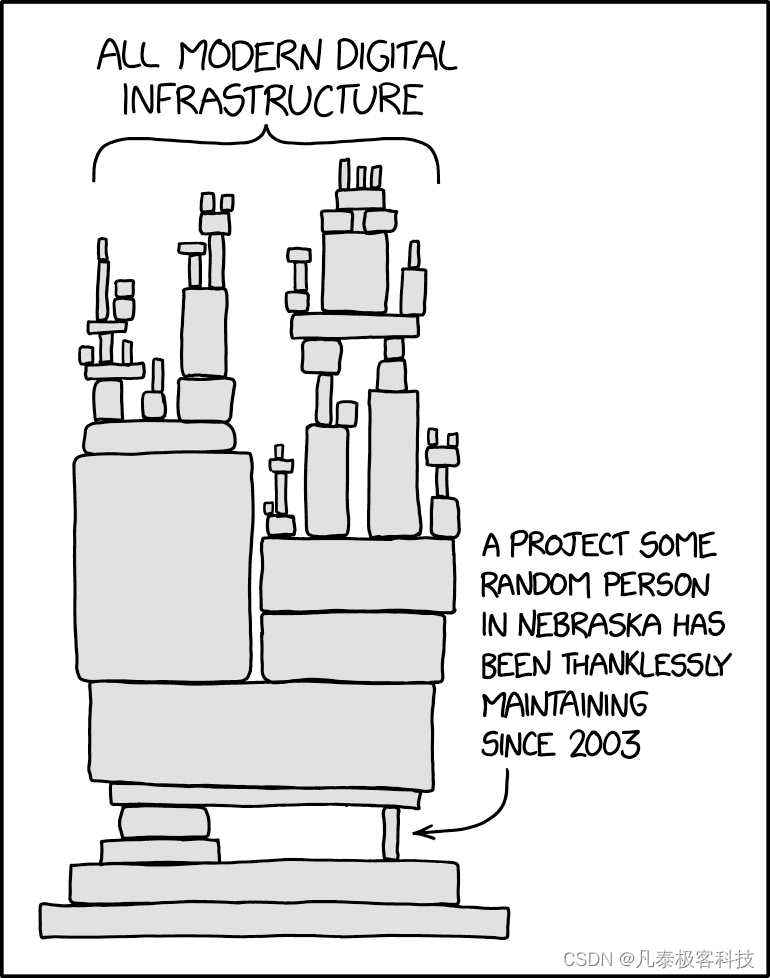
让企业数字化砸锅和IT主管背锅的软件供应链安全风险指北

CAS compare and swap exchange after comparison

数据库每日一题---第23天:游戏玩法分析 l
随机推荐
剑指 Offer打卡 栈队列堆
Create a 12g logical volume with one disk and three 5g partitions
【7.8-7.15】寫作社區精彩技術博文回顧
JMM memory model
Fail-Fast & Fail-Safe
深度学习基础:9.复现经典网络:LeNet5与AlexNet
要想不踩SaaS那些坑,得先了解“SaaS架构”
Trigger creation, deletion and other operations
Send your code into space and develop "the greatest work" with Huawei cloud
Teach people to fish - see a field on the sap mm material display interface, how to find which field of which database table to store the trial version
摄提格,是外来词音译,还是有特定含义?
Volatile low configuration syn, realizing visibility and order
浏览器缓存机制详解
CAS compare and swap exchange after comparison
哈工大讯飞联合实验室获得SemEval-2022最佳论文提名奖
About security details timing attack
理财平台选择哪个安全可靠
【动态规划】—— 数位统计DP
Beihang & Institute of Information Technology & meituan proposed lbdt, which is based on spatiotemporal interaction of language bridging to accurately segment directional video objects, with performan
梅科尔工作室-李庆浩 sql语句笔记